
September 25, 2026 ·
LL-37 vs BPC-157: What the Research Compares
Different origins, different classes
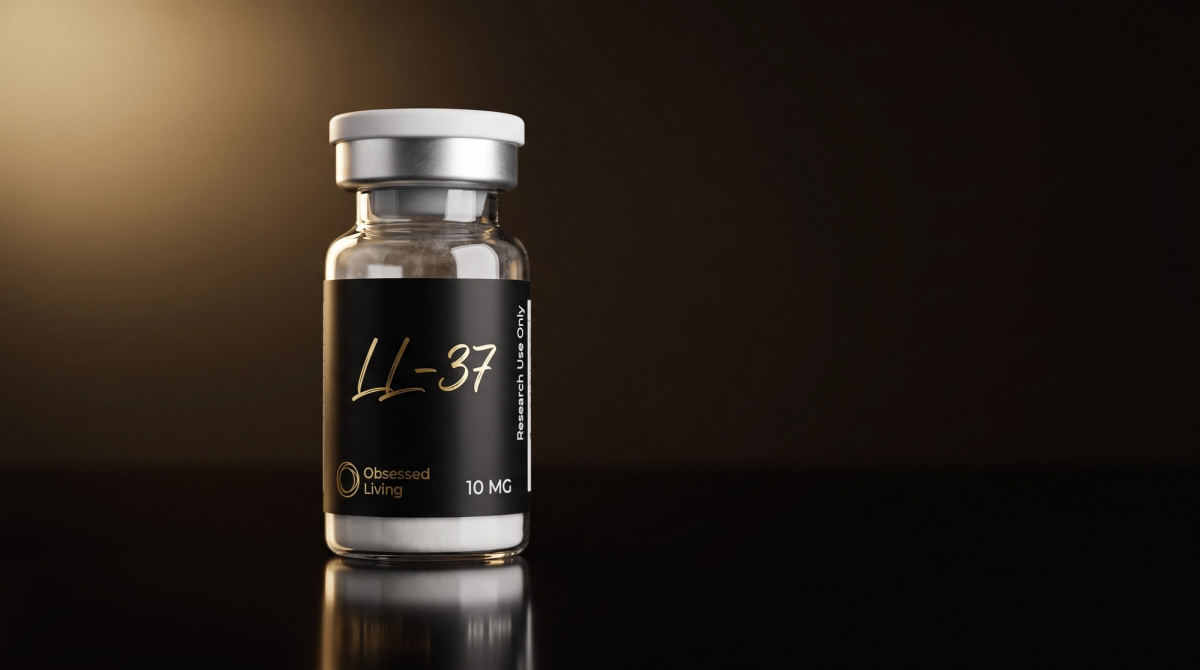
LL-37 is the only cathelicidin-family antimicrobial peptide encoded in the human genome, an endogenous host-defense peptide generated by cleavage of the precursor protein hCAP-18, produced naturally by neutrophils and epithelial cells. BPC-157, by contrast, is a synthetic 15-amino-acid peptide whose sequence corresponds to a fragment of Body Protection Compound, a protein originally identified in gastric juice. One is a naturally occurring immune peptide the body already produces; the other is a synthetic fragment derived from a gastric protein.
Different primary mechanisms
Published research frames LL-37's core activity around direct membrane disruption of microbes, driven by its structural transition into a cationic, amphipathic alpha helix, plus specific receptor-mediated signaling roles: angiogenesis via FPRL1, and innate-immune activation via TLR9. BPC-157 research centers on angiogenesis signaling correlated with VEGF expression, tendon-fibroblast migration and survival in culture, and growth-hormone-receptor expression in tendon fibroblasts, studied predominantly in musculoskeletal and gastrointestinal tissue-repair models.
Different depth of human data
LL-37 has been studied directly in human skin, saliva, and plasma samples, including research reporting markedly reduced LL-37 protein levels in chronic, non-healing ulcer tissue compared to acute wounds. A randomized, placebo-controlled clinical trial evaluated topical LL-37 in hard-to-heal venous leg ulcers, reporting it safe and effective at enhancing healing in that trial population. BPC-157's research base is predominantly animal and in-vitro work; recent narrative reviews explicitly note that human clinical data for BPC-157 remains very limited.
The honest limitation, both directions
Neither peptide's research translates into an approved human therapeutic claim. LL-37's cancer-biology literature describes a paradoxical, tissue-dependent role, with the same molecule reported to promote tumor progression in some cancer types and suppress it in others. BPC-157's literature carries the parallel caution that most supporting data comes from animal and cell-culture models rather than controlled human trials. Neither compound is FDA-approved, and neither is a nutritional supplement.