October 1, 2026 · Obsessed Living Research Team
TB-500 vs BPC-157: What the Research Compares
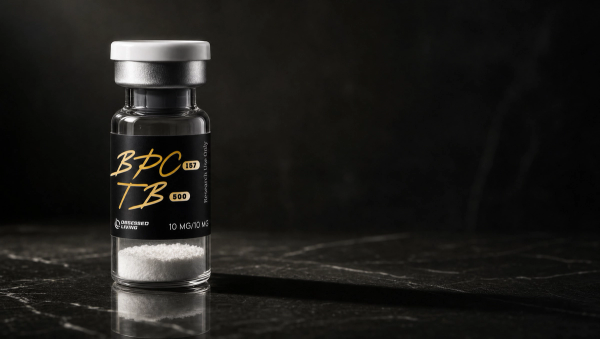
TB-500 and BPC-157 are sold together constantly, and for good reason — both show up in the tissue-repair and regeneration research literature. But "sold together" and "studied as the same thing" are different claims. This is a research-context comparison, not guidance on use.
Origin and structure
TB-500 is the commercial name for a synthetic peptide related to the actin-binding region of thymosin beta-4 (Tβ4), a 43-amino-acid protein and the major actin-sequestering molecule in most eukaryotic cells [1, 2]. BPC-157, by contrast, is a pentadecapeptide (15 amino acids) derived from a partial sequence of a compound researchers isolated from gastric juice, studied mainly in the context of angiogenesis and nitric-oxide signaling [3, 4]. They come from different source molecules and are tested in different assay systems.
What the literature emphasizes for each
Thymosin beta-4 / TB-500 research centers on its role as the major actin-sequestering molecule in cells, with the actin-binding motif specifically identified as the region driving studied angiogenic activity [1]. Animal-model research has also reported Tβ4 mobilizing cardiac progenitor cells after injury and reducing myofibroblast presence during wound healing [2, 5]. See the TB-500 mechanism of action article for detail — and note that the great majority of this evidence is on full-length Tβ4, not on material specifically tested as "TB-500" [6].
BPC-157 research clusters around angiogenesis signaling through VEGF/VEGFR2, nitric-oxide pathways, and in-vitro tendon-fibroblast behavior [3, 4]. See the BPC-157 mechanism overview for detail.
The honest bottom line
Both compounds are studied primarily in animal and in-vitro models, and the overlap people notice — angiogenesis, tissue remodeling — reflects shared research themes, not proven equivalence or proven human benefit. A 2026 scoping review focused specifically on Tβ4/TB-500 found no human interventional studies of either compound in tendon, ligament, muscle, bone, or cartilage research — the categories most associated with how these two peptides are discussed together outside the research literature [6]. There is no human clinical basis presented here for combining or using either compound; this comparison is about how the literature characterizes them as distinct research subjects.
Both are supplied for research use only — not for human consumption.
The Obsessed Living Research Team summarizes peer-reviewed peptide research for educational, research-use reference. Content is not medical advice.